Enhance Your Outdoor Environment: Professional Landscaping Advice for a Beautiful Residential Garden
Transforming an outdoor space into a stunning home garden involves thoughtful design and thoughtful execution. By evaluating the unique characteristics of a yard, individuals can establish definitive landscaping goals. Selecting plants suited to the local climate is essential. Additionally, adding functional hardscaping elements improves both beauty and usability. However, the journey doesn't stop there. Discovering how to preserve vibrancy and sustainability can enhance any outdoor space to the greater heights. Which strategies will lead to lasting success?
Assess Your Space to Define Your Landscaping Goals
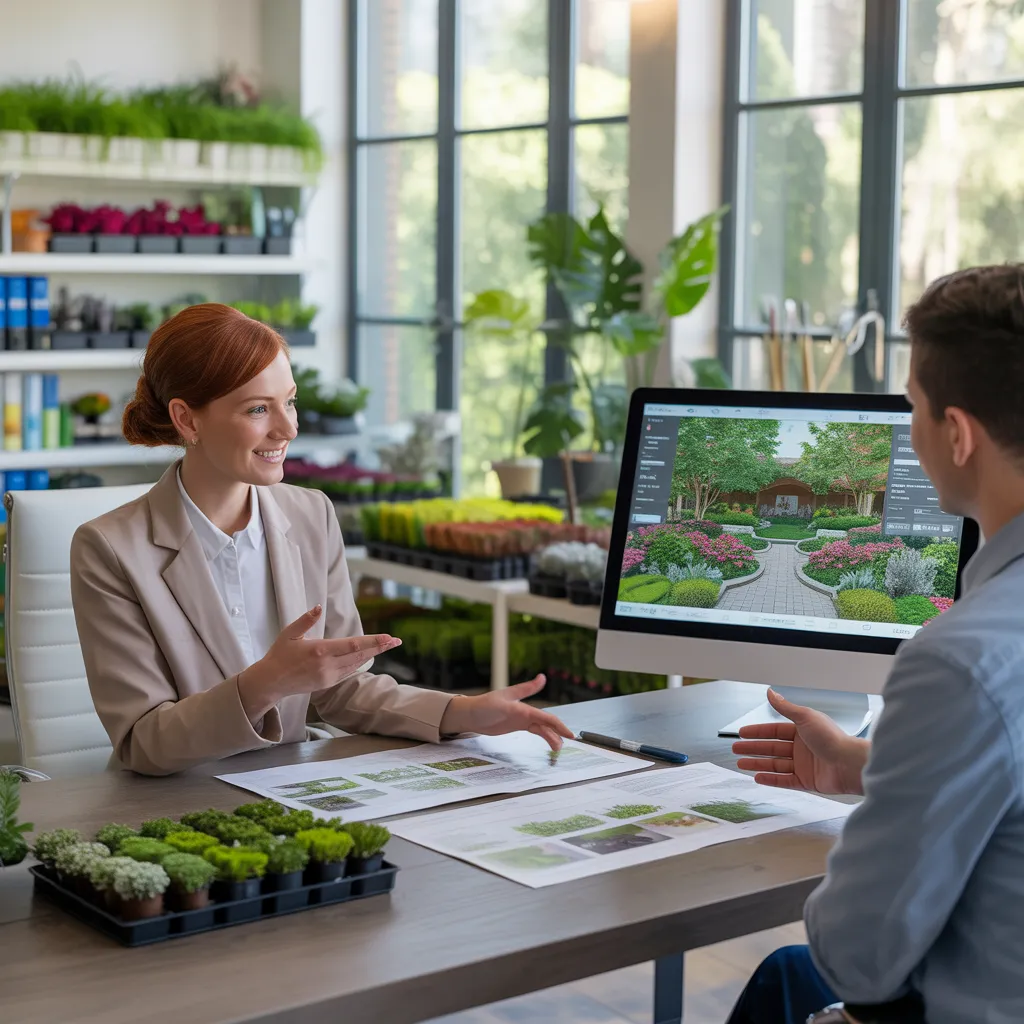
Before undertaking any landscaping project, it is critical for homeowners to thoroughly evaluate their outdoor space. This initial evaluation enables them to grasp the unique features of their yard, encompassing light exposure, ground quality, and current plants. Recognizing these elements supports in establishing which kinds of design elements can be effectively incorporated into the area.
Homeowners should take measurements and note any barriers such as vegetation, barriers, or pathways that may influence the layout. Additionally, understanding individual tastes and living requirements—such as entertainment spaces, gardening, or relaxation—can guide the garden objectives. By clearly defining these goals, homeowners set a strong base for a cohesive and functional outdoor environment. This thoughtful assessment ultimately leads to a more successful and satisfying landscaping project, ensuring that the outdoor space not only enhances the home's aesthetic but also satisfies the practical needs of its residents.
Pick the Ideal Plants for Your Area's Weather
Selecting the right plants for a particular region is essential for creating a thriving outdoor space. Understanding regional climate conditions, such as heat levels, rainfall, and moisture levels, helps property owners select plants that will flourish. Native plants typically adjust best, requiring minimal maintenance and water. For example, drought-resistant varieties are ideal for dry climates, while moisture-loving species thrive in humid climates.
Gardeners should also take into account seasonal changes; choosing vegetation that offers continuous appeal improves the garden. Spring-flowering plants, warm-season vegetation, and colorful autumn leaves can produce a striking visual display. Moreover, speaking with regional nurseries or horticultural resources can offer helpful information into sturdy vegetation adapted for specific conditions.
In the end, a well-planned plant selection improves not just beauty but also promotes local wildlife and promotes environmental sustainability, which makes it a wise choice for every exterior area renovation.
Improve Your Garden Using Functional Hardscaping Features
Functional hardscaping elements serve as essential components in defining outdoor spaces and boosting their practical value. By integrating sitting zones and thoughtfully constructed walkways, homeowners can create appealing outdoor areas that encourage leisure and circulation. Additionally, borders can help delineate different zones within the garden, establishing layout and visual interest.
Define Your Exterior Space
Creating a well-defined outdoor space can convert a yard into an inviting retreat. One proven method to achieve this is through functional hardscaping elements, which create organization and layout. Walkways made from stone or brick guide visitors while adding visual interest. Support walls can create tiered levels, enhancing the garden's overall design and preventing soil erosion. Barriers or lattices can delineate boundaries, ensuring seclusion and a feeling of containment. Incorporating raised garden beds not only defines planting areas but also improves accessibility. These elements work harmoniously to create distinct zones that enhance both aesthetics and functionality. Ultimately, a well-defined outdoor space fosters a serene environment where homeowners can relax and enjoy nature.
Incorporate Seating Areas
Incorporating sitting zones into an exterior environment greatly boosts its usability and appeal. By adding practical hardscape features, homeowners can establish welcoming areas for rest, gathering, or appreciating the outdoors. Options include benches, patio sets, or hammocks, each adding to the landscape's visual charm and convenience. Strategically placing seating near focal points, such as flower beds or water features, motivates visitors to participate with their outdoor environment. Additionally, selecting materials such as natural wood or stone can enhance the landscape's appearance, maintaining design consistency. Shade structures, such as pergolas or umbrellas, provide comfort during warmer months, keeping these spaces accessible year-round. Ultimately, well-designed seating areas reimagine a basic yard into a inviting sanctuary for guests and loved ones.
Design Pathways And Borders
Pathways and borders are key components in garden design, directing guests through your garden while enriching its structural integrity. These establish order and movement, helping distinguish multiple spaces and planting options. Stone, gravel, or brick materials can create solid routes, whereas natural borders from landscaping or ornamental screens boost visual appeal. Pathways can inspire exploration, emphasizing centerpieces like planted areas or aquatic installations. Well-designed borders stop weed growth and ground deterioration, enhancing garden vitality. In summary, adding pathways and borders improves functionality and improves aesthetic quality to your outdoor area, creating environments that are more welcoming and satisfying.
Design Flow Through Walkways and Seating Zones
A carefully organized outdoor environment frequently presents a natural flow produced through strategically positioned walkways and seating spaces. Walkways navigate visitors within the garden, forming a distinct sense of progression while boosting the complete aesthetic quality. Incorporating choices like stone, wood, or gravel can enhance the walkway's charm and guarantee longevity.
Seating zones supply stopping places, welcoming people to rest and savor the setting. Placing seating thoughtfully near key features, such as a pond or a garden bed, inspires connection with the landscape. The type of seating—stools, benches, or even recliners—may shape the feeling, whether it be informal or elegant.
Incorporating both pathways and seating fosters an inviting environment, enhancing usability and enjoyment. Together, they create a seamless shift between different areas of the garden, promoting exploration and relaxation, ultimately transforming any outdoor space into a tranquil retreat.
Transform Your Garden With Seasonal Tones and Depth
To strengthen the visual attractiveness of a landscape, deliberate curation of seasonal plantings is essential. Blending diverse textural characteristics can introduce layers and fascination, meanwhile deliberately arranged focal areas can command views and forge a balanced plan. Each feature together ensure a vibrant and dynamic garden environment during the entire year.
Select Plants for Each Season with Care
Choosing plants for different seasons wisely can convert your garden into a stunning array of hues and forms. By picking plants with staggered blooming periods, gardeners can learn the details guarantee a continuous display of beauty. Spring bloomers, summer annuals, fall perennials, and cold-season evergreens each add distinctive colors and shapes to the landscape. It is essential to take into account regional weather patterns and soil composition, as well as the plants' growing patterns. Native species often thrive better and require less maintenance, increasing ecological diversity. Additionally, combining plants with varying heights and bloom times can create a dynamic visual effect. Ultimately, mindful plant choices fosters a garden that evolves with the seasons, offering a delightful experience year-round.
Establish Multiple Textures To Generate Dimensional Appeal
Making depth in a garden calls for blending textures that harmonize with and boost seasonal colors. By combining various plants with diverse leaf configurations, scales, and palettes, one can achieve a visually dynamic landscape. For instance, the use of broad-leaved plants alongside fine-textured grasses can produce visual contrast and allure. Additionally, integrating bark, stones, and other natural materials introduces tactile elements that enrich the overall experience. Seasonal flowers should be strategically situated to provide bursts of color throughout the year, keeping every layer visually appealing. This thoughtful arrangement not only draws the eye across the garden but also fosters an immersive atmosphere where every detail contributes to the garden's beauty and harmony.
Add Focal Points Strategically
Strategically incorporating focal points can markedly enhance a garden's aesthetic appeal and seasonal vibrancy. These focal points function as visual anchors that guide attention and unify the space. Gardeners can utilize elements such as sculptures, ornamental trees, or vibrant flower beds to create visual appeal. Seasonal color can be incorporated via the careful selection of plants that bloom at different times, ensuring that the garden remains dynamic throughout the year. Textures also matter greatly; mixing sleek pathways with textured bark or verdant leaves creates dimension. By thoughtfully placing these elements, a gardener can create an inviting atmosphere that encourages exploration and appreciation, converting a yard into a captivating sanctuary.
Implement Responsible Approaches to Cultivate a Vibrant Garden
Embracing sustainable practices is vital for fostering a vibrant garden that excels in balance with the surroundings. Gardeners are encouraged to use local plant species, which demand less liquid and maintenance while promoting area fauna. Applying organic gardening techniques, such as composting methods and natural pest control, can greatly minimize pesticide application, creating a healthier environment.
Water-efficient strategies, such as targeted watering systems and rain capture, optimize eco-friendliness by optimizing efficient resource allocation. Using mulch layers not just preserves moisture but also reduces weed growth, lowering the demand for herbicides. Also, promoting biological diversity by adding a variety of plants builds durability against pest infestations and diseases.
Soil condition is important; strategies such as crop cycling and soil-covering plants sustain soil nutrients excluding the need for artificial nutrients. By adopting these eco-friendly practices, horticulturists can build a thriving space that promotes both plants and environmental health, ultimately leading to an enhanced gardening experience.
Manage Frequent Problems for All-Season Landscape Beauty
A well-maintained landscaped area can experience numerous difficulties across seasons, altering its total appearance as well as vigor. Frequent challenges include pest infestations, nutrient deficiencies, along with limited water. Identifying pests early is critical; growing enthusiasts should regularly review vegetation for signs of damage and handle pest outbreaks using natural pesticides alternatively bringing in helpful insects.
Insufficient nutrients often display as yellowing leaves or reduced growth. Performing soil tests can assist identify particular requirements, permitting to enable targeted fertilization to return harmony. Furthermore, securing proper irrigation is important; too much water can result in root decay, while under-irrigation strains growing things.
Weather transitions also call for changes to maintenance. Throughout winter, using mulch guards root areas against cold, while summer months might demand additional water plus partial shade to protect fragile plants. By tackling these standard difficulties promptly
Should I Handle Outdoor Work Independently or Employ a Specialist?
One can certainly undertake landscaping projects solo, utilizing digital tools and creativity. However, hiring a professional provides expertise, efficiency, and enhanced results, especially for complicated projects or extensive work that require expert knowledge.
Which Equipment Are Required for Residential Landscaping?
Necessary implements for yard landscaping contain a garden rake, shovel, garden spade, pruning shears, garden cultivator, and a irrigation hose or sprinkler can. These items support productively manage dirt, plants, and complete garden maintenance, providing professional landscaping
What Methods Should I Implement to Care for My Garden Area Across the Calendar Year?
If you want to maintain a landscape throughout the year, consistently shaping vegetation is essential, adding mulch for temperature control is vital, monitoring hydration levels is vital, and establishing seasonal planting strategies is advisable. Furthermore, pest control and soil fertilization are required for flourishing, vibrant plants.